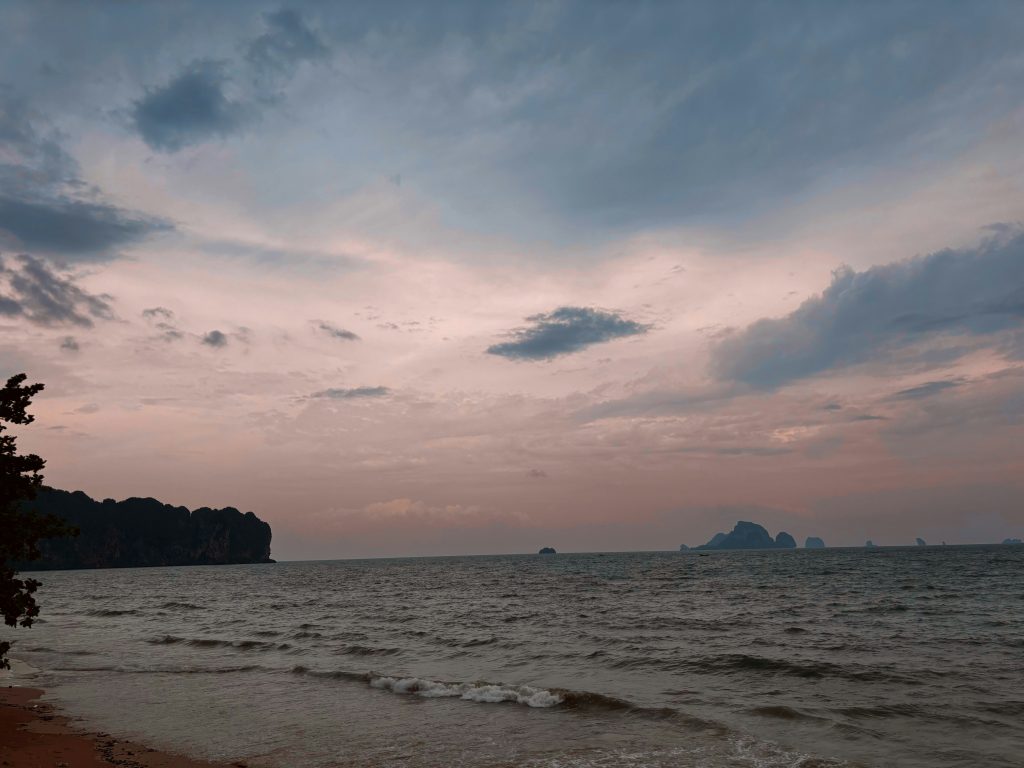
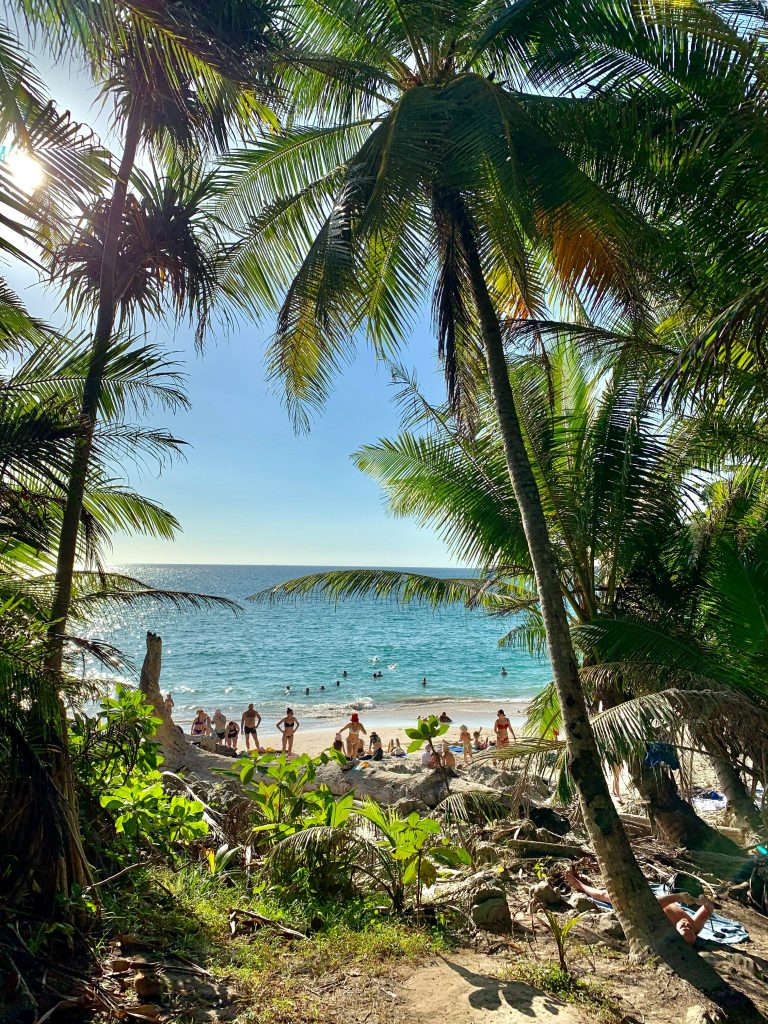
January Phuket weather living creates the year’s sharpest contrasts for long-stay residents. Temperatures average 27-32°C with 9 hours daily sunshine whilst Northern Europe shivers at -10°C with minimal daylight. This weather perfection attracts Phuket’s heaviest tourist volumes, creating 50,000+ daily arrivals in January 2026. Beaches crowd by 10am. Chalong Circle gridlocks at sunset. Popular restaurants require reservations 2-4 days ahead. Long-stay residents navigate these high season realities through strategic timing, alternative locations, and acceptance that January trades logistical convenience for weather perfection and Nordic winter escape.
The weather reality
January delivers Phuket’s weather sweet spot. Daily temperatures run 27-32°C with comfortable 75% humidity. The Andaman Sea reaches 28°C, offering perfect swimming conditions with the year’s best water clarity. Rainfall drops to 40mm monthly during peak dry season. The UV index climbs to 11+, making early morning beach visits essential and sunscreen non-negotiable.
The Nordic contrast justifies every high season inconvenience. Whilst Helsinki records -4°C to -10°C with under one hour daily sunshine, Phuket residents enjoy 9 hours of outdoor activity weather. Stockholm fares similarly at -2°C to -6°C with grey skies dominating. Nordic heating costs run €200-400 monthly during January. Phuket residents redirect those funds toward beach clubs and diving trips instead. The vitamin D exposure and mental health benefits of daily outdoor living offset traffic frustrations and tourist crowds.
| Weather Factor | Phuket (January) | Northern Europe (January) | The Difference |
|---|---|---|---|
| Average Temperature | 27-32°C | -5°C to +5°C | +30°C advantage |
| Daily Sunshine | 9 hours | 1-3 hours | +6-8 hours outdoor life |
| Sea Temperature | 28°C (Swimmable) | 0-5°C (Ice/Cold) | Beach vs indoor heating |
| Rainfall | 40mm (Dry) | Rain/Snow/Sleet | Tropical ease |
| Outdoor Activity | 12 hours daily | Limited/Indoor | Lifestyle transformation |
High season crowd reality
January 2026 marks Phuket’s “best high season in five years” according to tourism officials, with daily arrivals exceeding 50,000 visitors. Western and Russian tourists dominate demographics until late January, when Chinese New Year preparations begin ahead of the 17 February 2026 celebration. Tour operators report pre-pandemic visitor volumes finally returning.
Beach transformation occurs predictably. Nai Harn, Kata, and Patong become “deckchair cities” by 10:30am when tour buses complete hotel pickups. Nai Harn Beach parking fills by 9:30am on weekends. Promthep Cape viewpoint becomes impassable after 4pm as sunset tour groups arrive. Noise levels spike in tourist zones. Patong maintains extreme volume through January. Rawai and Bang Tao experience evening noise from beach clubs and waterfront restaurants, whilst Cape Panwa and northern Bang Tao’s Layan area preserve quieter atmospheres.
Reddit residents document the reality: “I’ve started abandoning dinner plans rather than face Chalong Circle traffic” and “Living hyperlocal in Rawai because leaving the zone is miserable” capture the January adaptation. The month rewards those who restructure routines around crowd patterns rather than fighting them.
| Zone | Crowd Density | Noise Level | Resident Strategy |
|---|---|---|---|
| Rawai/Nai Harn | 9/10 | High | Beach before 9am, avoid 4-7pm exits |
| Bang Tao (South) | 8/10 | Medium | Boat Avenue mornings, shift to Layan |
| Bang Tao (North/Layan) | 4/10 | Low | The local sanctuary |
| Patong/Kata | 10/10 | Extreme | Avoid unless necessary |
| Cape Panwa | 2/10 | Low | Weekend escape destination |
Traffic & timing strategies
Traffic infrastructure failures dominate January 2026 conversations. Officials publicly admitted in December 2025 that “no effective solution exists” for high season congestion. Chalong Circle, Patong Hill, and the Heroines Monument experience daily gridlock. Rawai’s Viset Road produces 30-45 minute delays during sunset hours for journeys that should take 5 minutes. The single-road artery creates a “Rawai trap” where residents stay hyperlocal rather than navigate exit traffic.
Strategic timing becomes essential survival knowledge. Beaches deliver magic between 6-9am before tour bus arrivals at 10:30am. Shopping windows narrow to Tuesday and Wednesday mornings (10am-12pm) when Villa Market and Makro remain manageable. Weekend grocery trips guarantee frustration. Restaurant reservations require 2-4 days advance notice for popular spots like Suay Restaurant, Dibuk, and Rustic & Blue. Walk-in dining succeeds only at off-peak hours or lesser-known local spots.
Gym and co-working space crowding follows tourist patterns. Early morning slots (6-8am) and midday windows (11am-2pm) avoid peak density. Evening classes fill with holiday visitors seeking activities.
Transport mode selection matters significantly. Scooters win for hyperlocal January living when parking becomes impossible at beaches and shopping centres. Cars suit only airport runs or necessary cross-island journeys where traffic costs must be accepted. Many long-stay residents park cars for the month and rely entirely on scooters for neighbourhood mobility.
Quiet alternatives guide
January rewards residents who know alternative locations. Whilst tourists cluster at famous beaches, quieter spots remain accessible.
Beach alternatives:
Ao Sane replaces overcrowded Nai Harn. This rocky bay 10 minutes south offers excellent snorkelling and maintains calm through high season. The challenging access (steep stairs, limited facilities) deters tour groups.
Ao Yon on Cape Panwa provides the month’s best escape. This locals’ beach stays genuinely quiet with minimal tourist presence. The 25-minute drive from Rawai delivers tranquillity impossible at southern beaches.
Layan Beach serves Bang Tao residents seeking space. The northern stretch past Dream Beach Club maintains breathing room even during peak season. Early mornings here feel like private beach access.
Paradise Beach and Freedom Beach near Patong require boat access, naturally limiting crowds. Early morning visits before 10am provide solitude impossible at Patong proper.
Mai Khao Beach stretches 10 kilometres in North Phuket. Airport proximity brings some visitors, but the vast length absorbs crowds effectively. Weekday visits feel nearly deserted outside resort zones.
Dining strategy:
Tourist-zone restaurants maintain quality but require planning. The alternative approach targets local favourites in Chalong’s small sois, Rawai’s seafront market before 6pm, and Cherngtalay town (inland from Bang Tao’s beachfront premium pricing). These spots serve residents year-round and maintain consistent standards without high season markup.
Our detailed breakdown of Rawai and Bang Tao neighbourhood characteristics appears in Rawai vs Bang Tao: Cost & Lifestyle Comparison (Article 1.2).
Cost reality
January pricing reflects supply and demand economics harshly. Short-term accommodation doubles in cost as tourist demand peaks. Pool villa rentals surge 80-100% from low season rates. Scooter hire increases 50-100% as rental agencies exploit tourist demand.
| Cost Item | Low Season (May-Oct) | January 2026 | Percentage Increase |
|---|---|---|---|
| Pool Villa Rental (Monthly) | 80,000-120,000 THB | 150,000-250,000+ THB | +80-100% |
| 1-Bed Flat (Tourist Zones) | 25,000-35,000 THB | 40,000-55,000 THB | +60% |
| Scooter Rental (Monthly) | 3,000 THB | 4,500-6,000 THB | +50-100% |
| Grab/Bolt Fares | Standard rates | 2x-3x surge pricing | Variable (peak hours) |
| Restaurant Set Menus | Promotional pricing | Full high season pricing | +20-30% |
Long-term residents with existing leases avoid rental spikes entirely. Annual contracts negotiated during low season deliver significant January savings. Month-to-month arrangements face 20-40% renewal increases as landlords target tourist rates.
Price stability persists in local markets. Banzaan Market, Chillva Market, and Weekend Market maintain year-round pricing. Thai restaurants serving 40-80 baht meals ignore tourist season fluctuations. Gym memberships on annual contracts avoid day-pass premiums. The resident advantage lies in knowing which services operate on local pricing versus tourist pricing models.
Tourist-zone restaurants implement “high season menus” with 20-30% markup. Tours and activities increase 30-50% in January. Beach club minimum spends rise to 300-800 baht at popular venues.
Detailed monthly cost baselines appear in our Cost of Living Rawai: Monthly Budget Guide (Article 1.3).
The verdict: Is january worth it?
January Phuket weather living presents a calculated trade-off. Weather perfection and Nordic winter escape justify logistical inconveniences for residents who adapt successfully. The 30°C+ temperature advantage over Northern Europe, combined with 9 hours daily sunshine versus winter darkness, transforms quality of life fundamentally. Heating cost savings redirect to beach clubs and diving rather than utility bills.
Resident adaptation determines January success. Those who thrive embrace early mornings for beach access before 9am, adopt hyperlocal living patterns to avoid cross-island traffic, and discover quiet alternatives like Cape Panwa for weekend escapes. Strategic timing for shopping (Tuesday/Wednesday mornings) and dining reservations (2-4 days ahead) become routine practices.
Mental calculation balances costs. Nordic heating expenses (€200-400 monthly) disappear. Vitamin D exposure and daily outdoor activity replace seasonal affective disorder and gym-bound exercise. Traffic frustration and tourist crowds represent the price paid for weather privilege.
High season delivers community benefits. Expat social events multiply. New restaurants launch for peak season. Networking opportunities peak as international residents converge. The energy level rises compared to quiet low season months.
Struggles concentrate amongst specific groups. Remote workers maintaining European office hours (9am-5pm meetings) miss optimal beach windows entirely. Families with rigid school schedules clash with traffic patterns and crowd timing. Fixed routine requirements fight January’s reality.
Success favours flexible schedules, early risers, and residents prioritising weather quality over convenience. The month suits those who view crowds and traffic as acceptable costs for escaping Nordic winter rather than unexpected frustrations.
Embracing peak season
January Phuket weather living rewards strategic residents who accept high season realities rather than resist them. Visit beaches before 9am when water clarity peaks and sand stays empty. Book popular restaurants 2-4 days ahead or discover local alternatives in Chalong and inland Cherngtalay. Explore Cape Panwa and Ao Sane when tourists concentrate at Patong and Kata. The 30°C+ temperature advantage over Northern European winters justifies navigating crowds and traffic, provided you adapt timing and embrace Phuket’s seasonal rhythms rather than fighting them. January delivers weather perfection. Resident success depends on matching lifestyle patterns to high season realities.