Rawai sits at the southern tip of Phuket and has grown into one of the island’s most established bases for long-stay expats and Thai residents. It feels more like a lived-in coastal town than a resort strip, with a working fishing shoreline, villa neighbourhoods and a year-round community that gives it a steady rhythm. This Rawai area guide for long-stay residents looks at what day-to-day life in south Phuket really feels like. If you are choosing between Rawai, Nai Harn and Chalong, this will help you see whether Rawai fits your lifestyle, budget and pace.
Overview
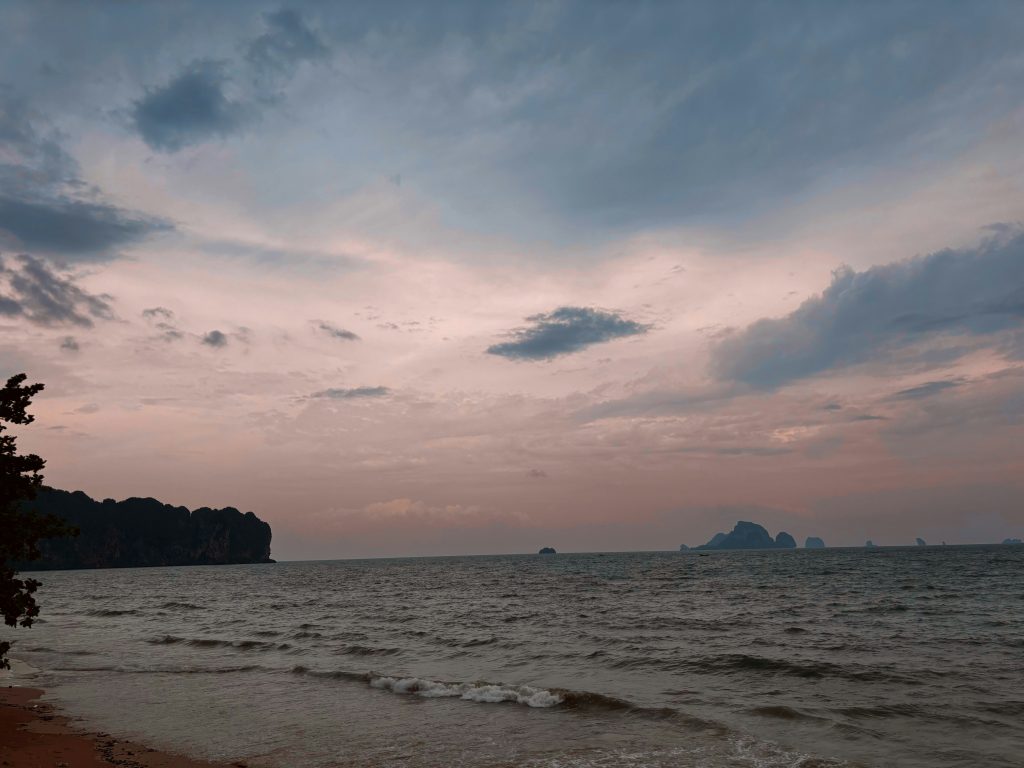
Rawai is part of Mueang Phuket district and forms a triangle with Nai Harn and Chalong. Rawai Beach itself is not a classic swimming beach. It is a working waterfront with long-tail boats, seafood restaurants and the sea-gypsy community clustered around Rawai Pier and Wiset Road. For swimming, most residents drive a few minutes to Nai Harn Beach.
The built environment is low-rise and spread out. Villas, small estates and low-rise condos line the lanes off Wiset Road and Saiyuan Road, with more concentrated estates closer to Nai Harn. There are no high-rise hotel walls here. The area prioritises space, privacy and daily routines rather than spectacle.
Rawai links easily to the rest of south Phuket. Chalong Circle is about 5 to 10 minutes away by car and acts as the main junction for Phuket Town, Kata and Karon. Phuket Town is roughly 20 to 25 minutes, and the airport is usually 45 to 60 minutes depending on traffic. Nai Harn sits about 5 to 10 minutes away.
Who lives here
Rawai has a mixed population of local Thai residents, sea-gypsy families, long-term expats and seasonal visitors. Official figures place the registered population of Rawai Subdistrict at around 18,700 people, but the real number is higher once unregistered residents and expats are included.
- Retirees from Europe, Australia and other regions who value quieter streets, reasonable housing costs compared to the west coast and decent access to healthcare.
- Expat families who choose villa estates in Saiyuan and Nai Harn, and connect to schools in Rawai and nearby Chalong.
- Digital nomads and remote workers who stay for several months at a time and base themselves near gyms, Muay Thai camps and coworking spaces such as The Project Phuket.
Across guides and resident reports, Rawai is consistently described as one of Phuket’s key expat enclaves, particularly for long-stay residents who want infrastructure for daily life but not a heavy package-tour scene.
Daily life and services
Daily life in Rawai is anchored by practical services rather than attractions.
- For healthcare, residents have several clinics and dental practices in Rawai itself, plus a cluster of private and public hospitals within a 15 to 25 minute drive. Chalong Hospital, Bangkok Hospital Phuket and Siriroj Hospital are the usual points of reference for more serious needs. Basic clinic visits often sit around 300 to 700 baht, with private hospital consultations from about 800 to 2,000 baht.
- Grocery shopping follows a clear pattern. In Rawai, 7-Eleven branches, local minimarts and small fresh markets cover everyday items. For bigger weekly shops, most residents drive 10 to 15 minutes to Villa Market or Makro in Chalong. Rawai Seafood Market at the pier is part of many people’s routine, with fresh fish and shellfish sold daily and cooked at nearby restaurants.
- Fitness and wellness are a major part of the local offer. Rawai and Nai Harn host a concentration of gyms, Muay Thai camps and yoga studios, with STAY FIT Gym and several Muay Thai camps such as Cookie and Keh among the better known names. Monthly membership at larger gyms often falls in the 4,500 to 8,000 baht range, with individual classes or drop-ins around 200 to 300 baht.
- For education, Lighthouse International School in Rawai and other schools in nearby Chalong give families a realistic school run radius while still living in villa clusters further south.
- Coworking and remote work infrastructure have improved. The Project Phuket on Saiyuan Road anchors a small ecosystem of remote workers, with good internet and coffee-shop style spaces across the area.
- Transport for residents is straightforward but not public-transport based. Most long-stayers use a personal scooter or long-term scooter rental as their main mode, with Grab, Bolt and InDrive filling the gap for nights out, airport runs or days when they prefer not to ride. Typical one-way fares from Rawai range around 60 to 120 baht to Chalong, 200 to 300 baht to Phuket Town and 600 to 1,000 baht to the airport.
Housing and prices
Rawai’s housing stock is heavily villa-led, supported by townhouses and low-rise condos. The main residential clusters are the Rawai Beach corridor, Saiyuan Road and Nai Harn estates like Baan Bua and surrounding villa compounds.
- Pool villas dominate the mid to upper range. These are often two to four bedroom Balinese or tropical villas with private pools and walled gardens, either in managed estates or as standalone houses along side streets. Townhouses and Thai-style detached houses fill in many local streets closer to Chalong and inland.
- Condos tend to cluster near the waterfront and along the main roads. The Title Rawai, Aura Condominium and other projects give options for those who prefer shared facilities and more compact living.
For long-term rentals in 2025, realistic monthly ranges look roughly as follows for Rawai:
- Studios from around 15,000 to 35,000 baht per month, with older inland units at the lower end and modern furnished units near Rawai Beach at the higher end.
- One-bedroom condos in the 20,000 to 45,000 baht band, with furnished units in popular projects such as The Title Rawai often falling around 32,000 to 40,000 baht.
- Two-bedroom condos from about 35,000 up to 90,000 baht for larger, sea-view or premium projects.
For villas and larger homes, long-term rental data for couples and families suggests:
- A three-bedroom pool villa inland around Saiyuan commonly sits between 90,000 and 120,000 baht per month.
- A two-bedroom condo near the Rawai beachfront promenade often ranges between 60,000 and 75,000 baht.
- A two or three-bedroom villa within walking distance or a short drive of Rawai Beach often ranges from 90,000 to 130,000 baht.
Utilities for long-term residents usually add another 8,000 to 12,000 baht per month for electricity, water, internet and air conditioning-heavy use. One to two months’ rent as deposit is common, with some scope for negotiation, especially for 12-month contracts and direct deals with owners.
Purchase prices and yields are covered in more detail in Andaman Life’s property and investment content, but overall, Rawai remains slightly cheaper than west-coast hotspots such as Bang Tao and Cherng Talay while seeing clear upward pressure on both purchase and rental values.
Strengths and limitations
For long-stay residents, Rawai’s strengths are clear. The area offers everyday services, access to healthcare, a strong fitness and wellness scene and a broad mix of dining and informal nightlife, all wrapped in a neighbourhood that still feels like a place where people live rather than a resort zone. The expat community is established, and many residents are on multi-month or multi-year stays rather than short breaks.
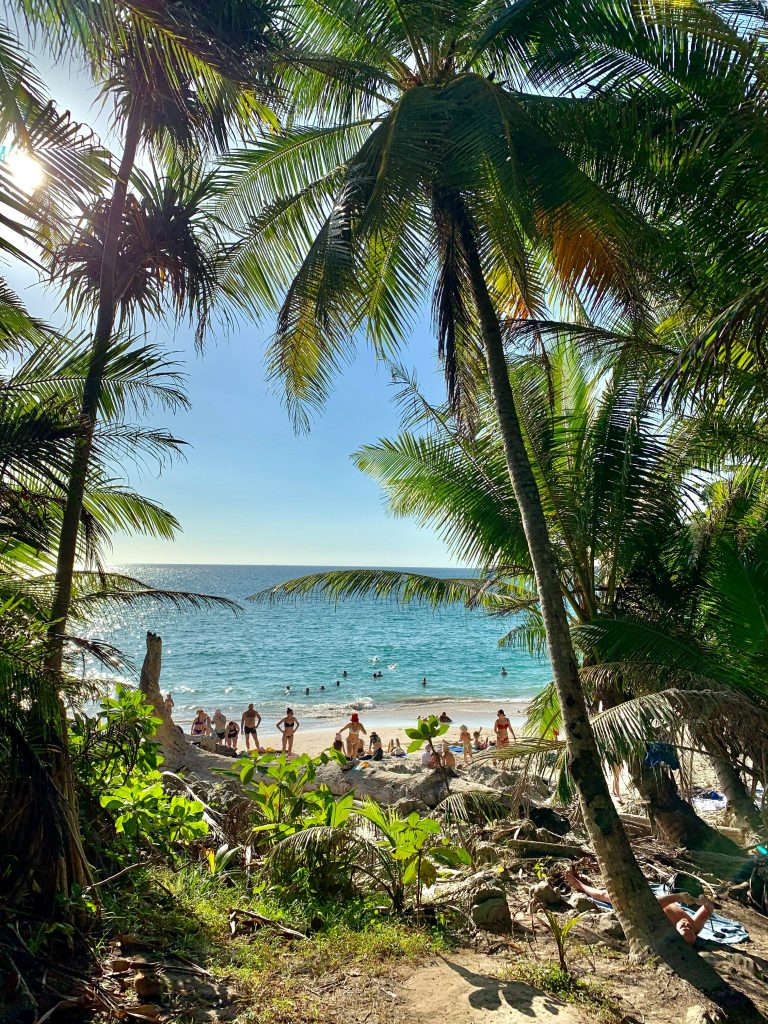
Access to nature is another draw. Nai Harn Beach, Nai Harn Lake, coastal viewpoints and walking routes around Promthep Cape and Yanui Beach are all within a short drive. Fitness-oriented residents can combine gyms, Muay Thai, yoga and casual hiking with a relatively low-rise, green environment.
There are limitations to consider. Supermarket-level shopping still relies on a short drive to Chalong, and public transport remains light. Most long-stay residents need to be comfortable riding a scooter or budgeting for regular ride-hailing. Traffic on the main roads has increased in recent years, especially at peak times around Chalong Circle.
Rising property prices and tightening rental supply are another trend. Projects like Rawayana Beachfront Village, new condo developments and regulations that limit large new schemes suggest that Rawai will likely remain low-rise but more expensive over time, with more pressure on quality stock near the waterfront and Nai Harn.
For many, these trade-offs are acceptable. Rawai suits people who want a lived-in base with services, community and nature, and who can adapt to a scooter-based lifestyle and a degree of price inflation. It is less suitable for those who want to walk to a large mall, rely on public transport or expect a strictly quiet village with no traffic.
Rawai, Nai Harn or Chalong for long-stay life
When choosing a long-stay base in the south of Phuket, Rawai usually sits in a trio with Nai Harn and Chalong. Each serves a slightly different priority.
- Nai Harn is technically part of Rawai municipality but feels like a smaller enclave built around its beach and lake. It offers a quieter, more romantic atmosphere and one of Phuket’s best high-season swimming beaches, with fewer services but strong appeal for couples who value peace and nature and accept higher housing costs and smaller everyday infrastructure.
- Chalong, by contrast, is the practical hub. It holds the island’s main supermarket cluster, closer access to town and hospitals, and shorter drives in multiple directions. Housing is more mixed and often better value, with slightly less community atmosphere than Rawai but more centrality. Couples who care most about being connected to the rest of the island often lean towards Chalong.
For many long-stay residents, a simple decision framework works:
- Choose Rawai if you want an active residential community, fitness culture, access to Nai Harn and a sense of place.
- Choose Nai Harn if swimming beach quality and quiet are your highest priorities.
- Choose Chalong if you want the best access to supermarkets, schools, hospitals and the wider island road network.
For readers considering Rawai as a long-term base, the next step is usually to spend a few weeks in the area, test daily routes to Chalong and Nai Harn, visit gyms, clinics and schools, and compare a couple of rental options across the Rawai Beach, Saiyuan and Nai Harn belts before signing a yearly lease.