Rawai vs Bang Tao living represents the two distinct poles of Phuket expat life in 2026. Rawai (South Coast) functions as a fitness-focused village with rentals averaging 20,000–35,000 baht monthly and a strong digital nomad community. Bang Tao (West Coast Hub) operates as a polished resort enclave with international schools, gated communities, and rental averages of 45,000–80,000 baht monthly. Rawai prioritises value and authentic community, whilst Bang Tao offers manicured infrastructure and family convenience. Your choice depends on whether you value Nai Harn Beach sunsets or Boat Avenue sophistication.
The Vibe: Village vs Enclave
Rawai feels like a chaotic village that happens to attract Europeans. Soi Saiyuan runs as the artery through the neighbourhood. Muay thai gyms, vegan cafés, and motorbike repair shops operate side-by-side. Unpolished, energetic, social. The demographic skews younger: digital nomads, fitness enthusiasts, and Russians who prefer community over isolation. Morning runs happen at Nai Harn Lake. Evening gatherings cluster at beach bars near Yanui. Everyone knows the best street food stalls.
Bang Tao presents a different reality entirely. The Laguna complex offers pavements, shuttle boats between resorts, and artificial lakes. Boat Avenue feels like “Little Singapore” with wine bars, boutiques, and Villa Market stocking imported cheese. Corporate families, wealthy retirees, and convenience-seekers dominate, typically aged 45 and above. Golf carts navigate between pool villas. Children cycle safely on dedicated paths. Nobody rides scooters in flip-flops.
The key distinction: Rawai is where you make friends accidentally at the gym. Bang Tao is where you schedule coffee through the residents’ group chat.
Our detailed breakdown of Rawai’s budget realities appears in Cost of Living Rawai: Monthly Budget Guide 2026.
Cost of Living Comparison 2026
Housing costs create the starkest divide between Rawai vs Bang Tao living choices. A 35,000 baht monthly budget secures a two-bedroom pool villa in inland Rawai. That same budget in Bang Tao covers only a studio flat or requires moving inland to Cherngtalay town away from resort amenities. One-bedroom flats in Rawai let for 18,000–28,000 baht, whilst comparable Bang Tao properties command 45,000–65,000 baht.
Daily spending amplifies the gap. Coffee at a local Rawai café costs 60–90 baht. The same latte at Boat Avenue reaches 120–140 baht. Western dinners in Rawai run 250–450 baht at expat-friendly restaurants. Bang Tao casual dining starts at 450 baht and climbs rapidly at beachfront establishments. The “resort proximity premium” affects everything from haircuts to laundry services.
Gym memberships demonstrate the lifestyle pricing structure. Nai Harn Gym in Rawai charges 1,500–3,000 baht monthly. Bang Tao resort gyms and Blue Tree facilities demand 3,000–6,000 baht for comparable access. Co-working spaces follow the same pattern: 200–350 baht day passes in Rawai versus 400–600 baht in Bang Tao.
Transport costs add another layer. Rawai residents manage with scooters (3,000–4,500 baht monthly hire plus petrol). Bang Tao families typically require cars for school runs and shopping, adding 20,000+ baht monthly to budgets. Airport access favours Bang Tao (500–700 baht taxi) over Rawai’s 800–1,000 baht journey.
| Cost Category | Rawai (South) | Bang Tao (West) | Comparison Note |
|---|---|---|---|
| Studio Flat (Monthly) | 14,000 – 18,000 THB | 25,000 – 35,000 THB | 75% premium Bang Tao |
| 1-Bed Flat (Monthly) | 18,000 – 28,000 THB | 45,000 – 65,000 THB | 150% premium Bang Tao |
| 2-Bed Pool Villa | 50,000 – 90,000 THB | 90,000 – 150,000+ THB | Premium locations |
| Coffee (Latte) | 60 – 90 THB | 100 – 140 THB | Resort café pricing |
| Western Dinner | 250 – 450 THB | 450 – 900+ THB | Beachfront premium |
| Gym Membership | 1,500 – 3,000 THB | 3,000 – 6,000 THB | Resort facilities |
| Scooter Hire | 3,000 – 4,500 THB | 4,000 – 6,000 THB | Higher Bang Tao rates |
| Taxi to Airport | 800 – 1,000 THB | 500 – 700 THB | Proximity advantage |
Beaches and Natural Environment
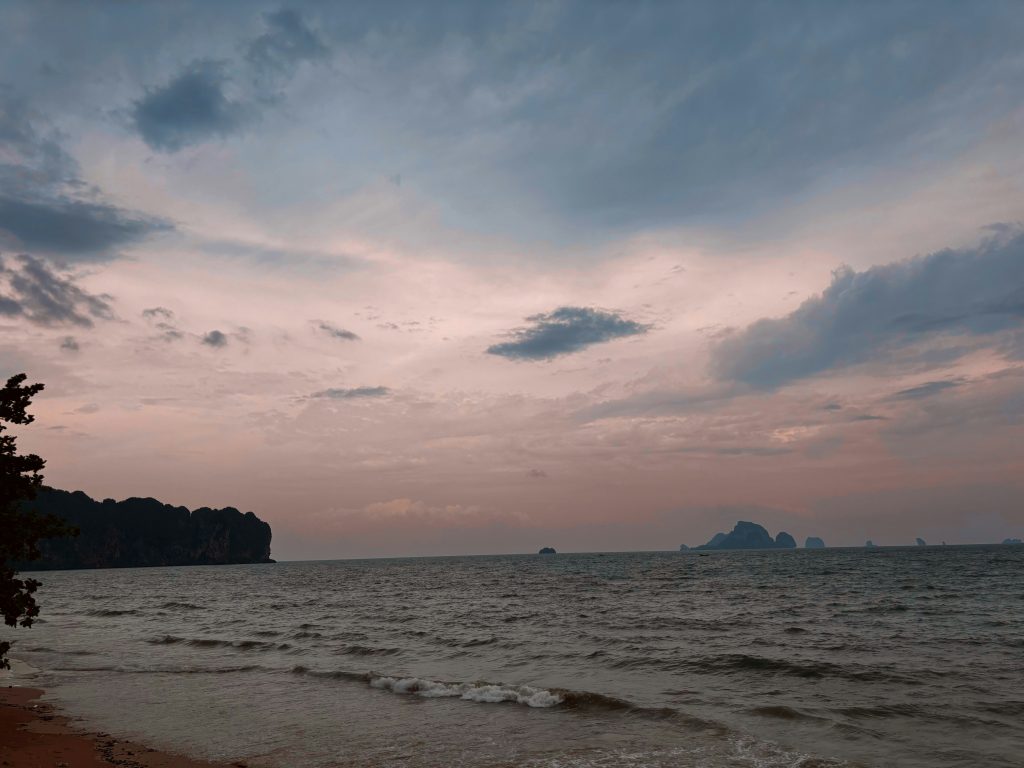
Rawai’s greatest asset sits 10 minutes away by scooter: Nai Harn Beach. Consistently ranked amongst Phuket’s finest, Nai Harn offers no beachfront hotels, a scenic lake park, and swimming-quality water year-round. Yanui Beach provides a smaller, more intimate alternative perfect for kayaking and snorkelling. Promthep Cape delivers sunset views without entrance fees.
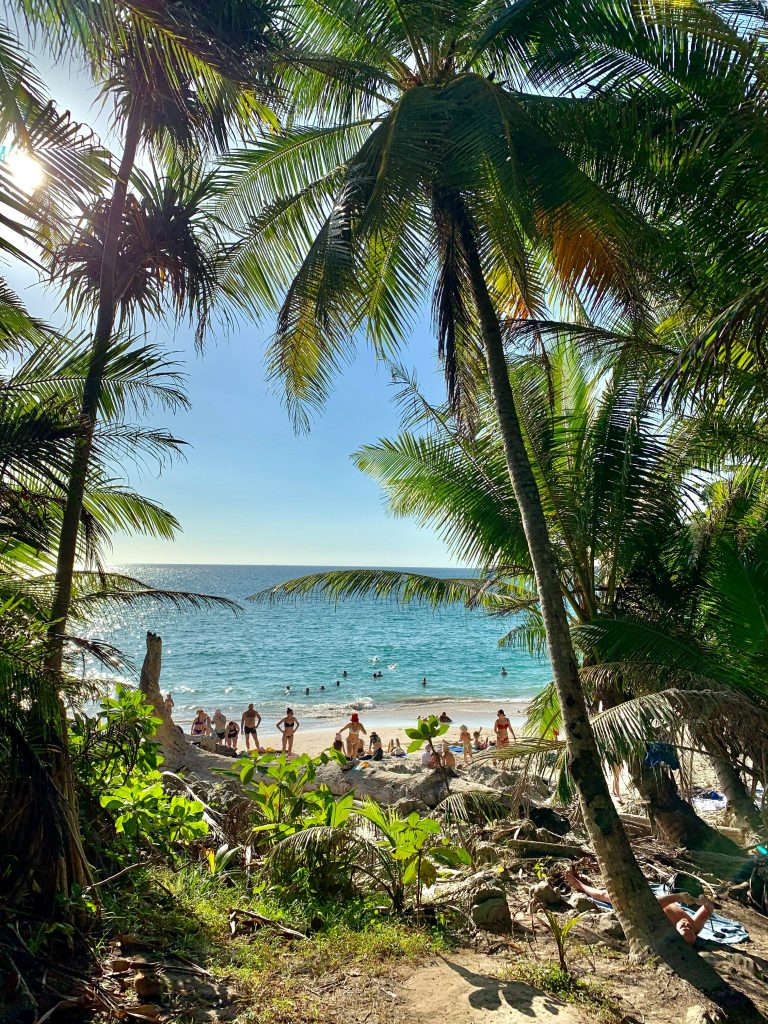
Bang Tao counters with scale and convenience. The beach stretches 8 kilometres, offering space even during high season. Beach clubs (Catch Beach Club, Dream Beach Club) dominate the southern end near Surin, charging 300–800 baht minimum spends. The northern Layan section remains quieter, attracting fewer crowds. Residents in Laguna or beachfront developments walk to the sand. This provides a significant lifestyle advantage over Rawai’s scooter-dependent access.
The natural environment beyond beaches favours different preferences. Rawai feels closer to Phuket’s original character: fishing boats, hills, undeveloped pockets. Bang Tao presents manicured landscapes: golf courses (Laguna Golf Club), artificial lakes, and resort gardens. One offers authenticity; the other delivers polish.
Verdict: Who Should Live Where?
The Rawai vs Bang Tao living decision maps clearly to life stage and budget priorities. Digital nomads and young professionals maximise value in Rawai. The 35,000–60,000 baht budget funds comfortable living whilst maintaining savings rates. Community connections form naturally, and the fitness culture supports healthy routines. The trade-offs of traffic and basic infrastructure matter less without school schedules to manage.
Families with school-age children and corporate remote workers typically choose Bang Tao despite higher costs. The 80,000–150,000 baht monthly budget delivers genuine peace of mind through proximity to international schools, safer roads, and premium amenities. Retirees split by type: active retirees seeking community and value cluster in Rawai, whilst luxury retirees prioritising golf and resort comfort choose Bang Tao.
| Profile | Recommended Zone | Why? | Monthly Budget |
|---|---|---|---|
| Digital Nomads (Solo) | Rawai | Cost efficiency, social community, fitness culture | 35,000 – 60,000 THB |
| Young Professionals | Rawai | Value pricing, authentic atmosphere, easy connections | 40,000 – 70,000 THB |
| Families with Children | Bang Tao | School proximity, safety, resort infrastructure | 80,000 – 150,000 THB |
| Active Retirees | Rawai | Community vibe, walkable lake paths, value | 50,000 – 90,000 THB |
| Luxury Retirees | Bang Tao | Golf access, resort comfort, premium healthcare | 100,000 – 200,000+ THB |
The “personality” match matters beyond budgets. Rawai suits those who value authentic experiences, spontaneous social connections, and don’t mind navigating chaos. Bang Tao attracts residents who pay for predictability, polish, and protection from Phuket’s rougher edges.
Infrastructure details matter significantly for families and remote workers planning long-stay arrangements. Our companion guide Rawai vs Bang Tao: Schools, Traffic & Infrastructure examines international school commute times, healthcare facilities, traffic congestion patterns, and digital nomad community differences. Understanding both lifestyle fit and practical infrastructure creates realistic relocation expectations.
Making Your Choice
Rawai vs Bang Tao living ultimately comes down to budget and life stage in 2026. Choose Rawai for the 35,000–60,000 baht lifestyle with vibrant community connections and authentic island character. Choose Bang Tao for the 80,000–150,000 baht experience delivering resort convenience and family infrastructure. Visit both neighbourhoods for three days before signing a lease. The atmosphere difference proves palpable the moment you arrive. The wrong choice costs more than money; it costs months of lifestyle dissatisfaction.