February stands as the “sweet spot” of the high season. The weather hits its absolute peak: statistically the driest month with 28°C averages and clear blue skies. For residents, February 2026 delivers a unique challenge: Chinese New Year (17 Feb) transforms Phuket Town whilst Valentine’s Day (14 Feb) creates pricing surges across coastal zones. This guide builds on our January: high season living article and sits within our year-round living hub.
The weather reality
February delivers the year’s best weather. Rainfall drops to 25-30mm monthly, guaranteeing 21+ consecutive dry days. Daily temperatures climb to 33°C, yet humidity stays at 70-75%. The Andaman Sea reaches 29°C with perfect clarity for snorkelling.
The Nordic contrast remains stark. Whilst Stockholm shivers at -3°C with minimal daylight, Phuket offers long sunshine hours daily. For Nordic residents, swimming in tropical water whilst friends endure slush justifies every inconvenience.
| Weather Factor | Phuket (February) | Northern Europe | Advantage |
|---|---|---|---|
| Avg Temperature | 28-33°C | -3°C to -5°C | +31°C |
| Monthly Rainfall | 25mm (Driest) | Snow/Sleet | Dry guarantee |
| Daily Sunshine | 9 hours | 2-3 hours | Outdoor life |
| Sea Condition | Calm 29°C | Frozen | Perfect swimming |
Crowd reality: two February peaks
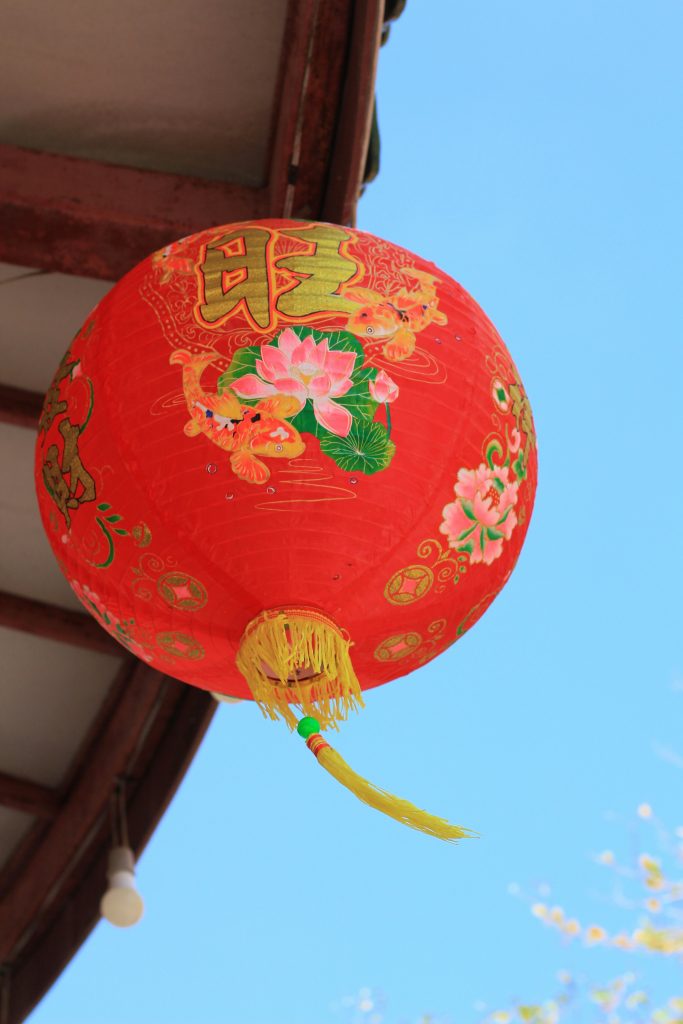
February 2026 delivers a double-peak pattern. Chinese New Year (17 Feb) brings 15 days of celebrations, peaking 17-24 February. Phuket Town transforms with red lanterns and firecrackers. Asian tourists from Malaysia, Singapore, and China flood hotels during CNY week.
Valentine’s Day (Saturday, 14 Feb) creates perfect storm conditions. Weekend tourists combine with couples seeking romantic dinners. High-end venues like Mom Tri’s Kitchen book out 3-4 weeks ahead.
Reddit residents report: “CNY firecrackers started at 5am” and “Valentine’s bookings full by Feb 1st.” Unlike January’s steady pressure, February concentrates chaos into specific event windows.
| Zone | CNY Impact (17-24 Feb) | Valentine’s Impact (14 Feb) | Strategy |
|---|---|---|---|
| Phuket Town | Gridlock 4-10pm | Minimal | Park outskirts, walk |
| Kata/Karon | Light | Severe crowds | Book 3+ weeks ahead |
| Patong | Heavy | Heavy | Avoid entirely |
| Rawai/Nai Harn | Moderate | Moderate | Early dinners (5pm) |
| Cape Panwa | Minimal | Minimal | Escape zone |
Traffic and timing strategies
CNY creates concentrated chaos in Phuket Town 4-10pm from 17-20 Feb. Thalang Road closes for parades. Park at Seng Ho Bookstore or north of Old Town, then walk. Valentine’s Saturday evening transforms Kata into a parking nightmare.
Beaches work best 6-9am before tour groups. Shopping windows: Tuesday/Wednesday 10am-12pm at Villa Market. Stock up by 14 Feb before CNY closures.
Restaurant strategy: CNY week (17-24 Feb) means avoid Chinese restaurants; try Italian, Indian, or Lebanese instead. Valentine’s: book by 25 January, or celebrate Friday 13th or Sunday 15th for standard prices.
Scooters win for CNY navigation. Grab faces 2-3x surge pricing on Valentine’s evening. Firecrackers start 6am on 17 Feb; keep anxious pets indoors. Wear red on 17 Feb to show respect.
Quiet alternatives guide
Ao Yon (Cape Panwa) stays quiet throughout CNY and Valentine’s. The 25-minute drive from Rawai delivers swimmable water with minimal tourists.
Layan Beach (northern Bang Tao) maintains space whilst Kata crowds with Valentine’s visitors. Mai Khao stretches 10km with space to absorb crowds. Yanui Beach offers rocky bay snorkelling that deters tour groups.
Dining: CNY week (17-19 Feb) means target Italian spots in Chalong, Indian in Rawai, or Lebanese in Cherngtalay for zero waits. Valentine’s alternative: picnic at Windmill Viewpoint or Ao Sane rocks for sunset. You avoid 5,000 THB bills and reservation stress.
Stock up at Dowroong Market by 16 Feb before CNY disruptions. Our neighbourhood breakdown appears in Rawai vs Bang Tao.
Cost reality
February maintains peak season pricing with event surcharges. Valentine’s creates 200-300% flower increases. Red roses reach 2,500 THB. Restaurant set menus add 20-30% premiums on 14 Feb.
Attempting new leases in February guarantees maximum pricing. Extend month-to-month until April for negotiation leverage. Chinese arrivals surge +40% during CNY.
| Cost Item | Low Season | February 2026 | Increase |
|---|---|---|---|
| Pool Villa (Monthly) | 80k-120k THB | 150k-250k+ THB | +80-100% |
| 1-Bed Flat (Tourist) | 25k-35k THB | 40k-55k THB | +60% |
| Scooter (Monthly) | 3,000 THB | 4,500-6,000 THB | +50-100% |
| Valentine’s Roses | 800 THB | 2,000-2,500 THB | +150-200% |
| Set Menu (Feb 14) | 3,500 THB | 5,500-6,900 THB | +60% |
Comfortable expat lifestyle costs €3,000-4,000 (110k-150k THB) for couples. Cost baselines appear in Cost of Living Rawai.
The verdict: is February worth it?
February offers absolute peak weather with concentrated event chaos. The 25mm rainfall and 29°C ocean deliver what Nordic residents relocated for. CNY and Valentine’s create brief but intense challenges.
Success requires cultural engagement (wear red, attend temples) whilst avoiding peak windows. “Friday 13th Valentine’s” and “park-and-walk for CNY” separate informed residents from frustrated tourists. Valentine’s surges affect only participants; shift celebrations one day to eliminate premiums.
CNY offers genuine local participation with deep historical roots. Residents gain cultural insights impossible during quieter months. Struggles hit families (firecracker noise), rigid-schedule workers, and routine-dependent residents. Success favours flexibility and cultural curiosity.
Embracing the energy
February delivers the year’s best weather alongside Phuket’s most vibrant cultural moment. CNY represents optional participation; engage deeply or escape to Cape Panwa. Valentine’s premiums disappear by celebrating one day early. The 31°C advantage over Northern Europe justifies event crowds. Resident success depends on strategic choices, not passive acceptance of event patterns.