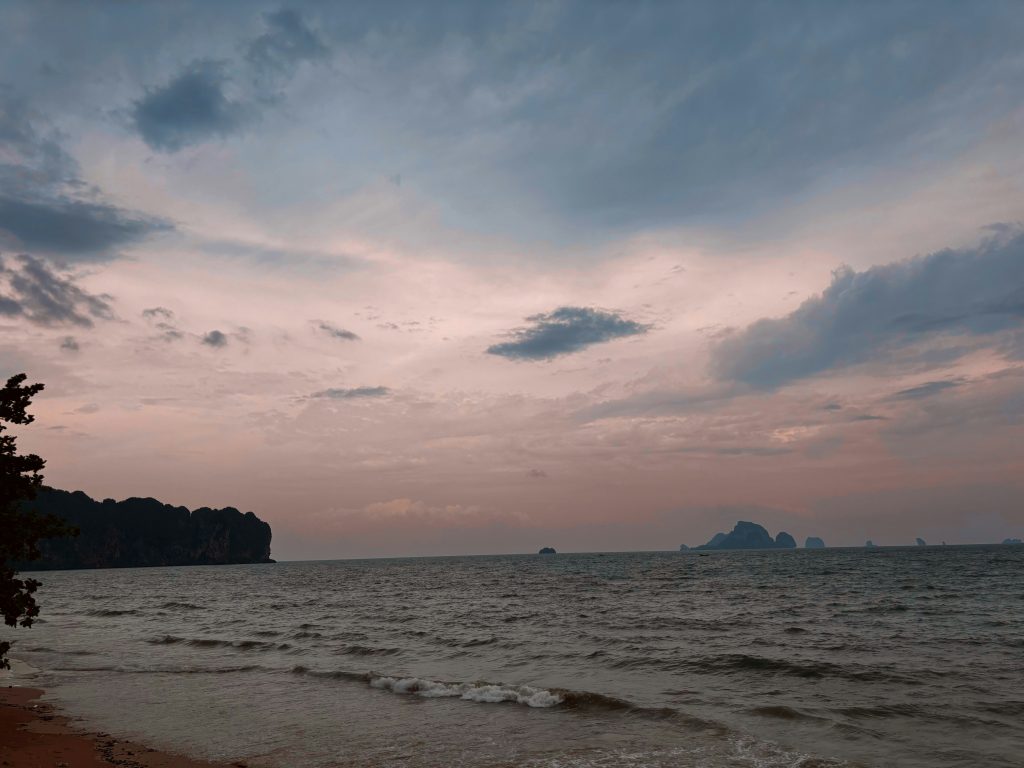
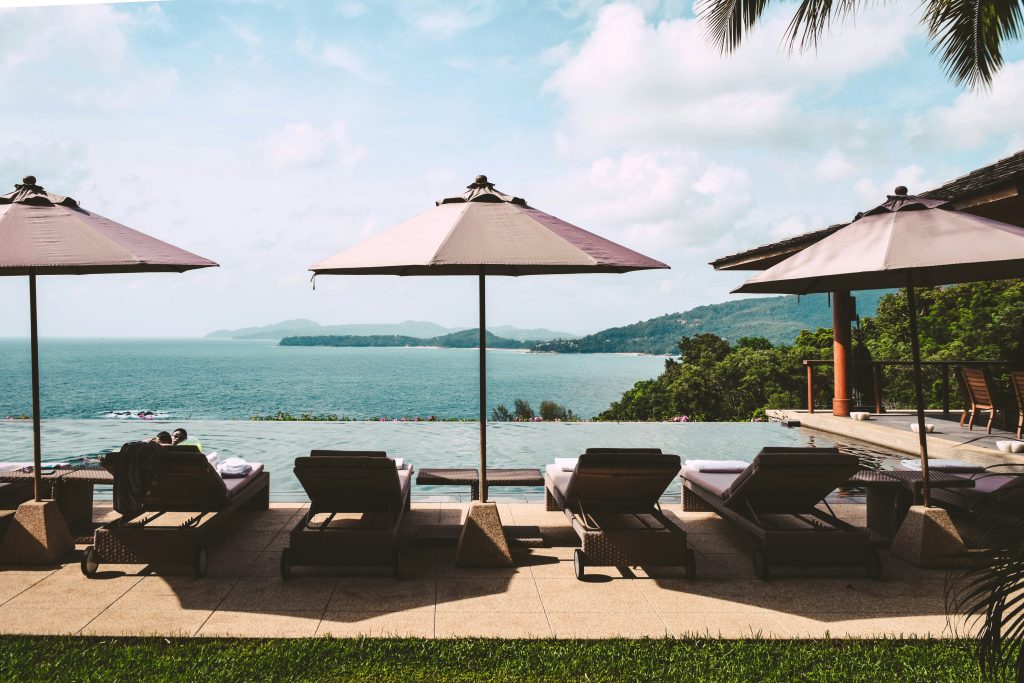
March Phuket shoulder season delivers optimal conditions for long-stay residents: dry-season weather peaks (31°C average, 8 sunshine hours daily, fewer than 8 rainy days), tourist crowds visibly decline from week three onwards, and accommodation prices drop 10–15% by month’s end. Whilst January and February attract winter escapees seeking guaranteed sun, March offers the same meteorological excellence with noticeably emptier beaches and emerging value positioning. Sea temperature holds steady at 29°C, diving visibility reaches 10–30 metres, and the window before April’s extreme heat (35°C+) makes March the underrated sweet spot for comfort-focused residents.
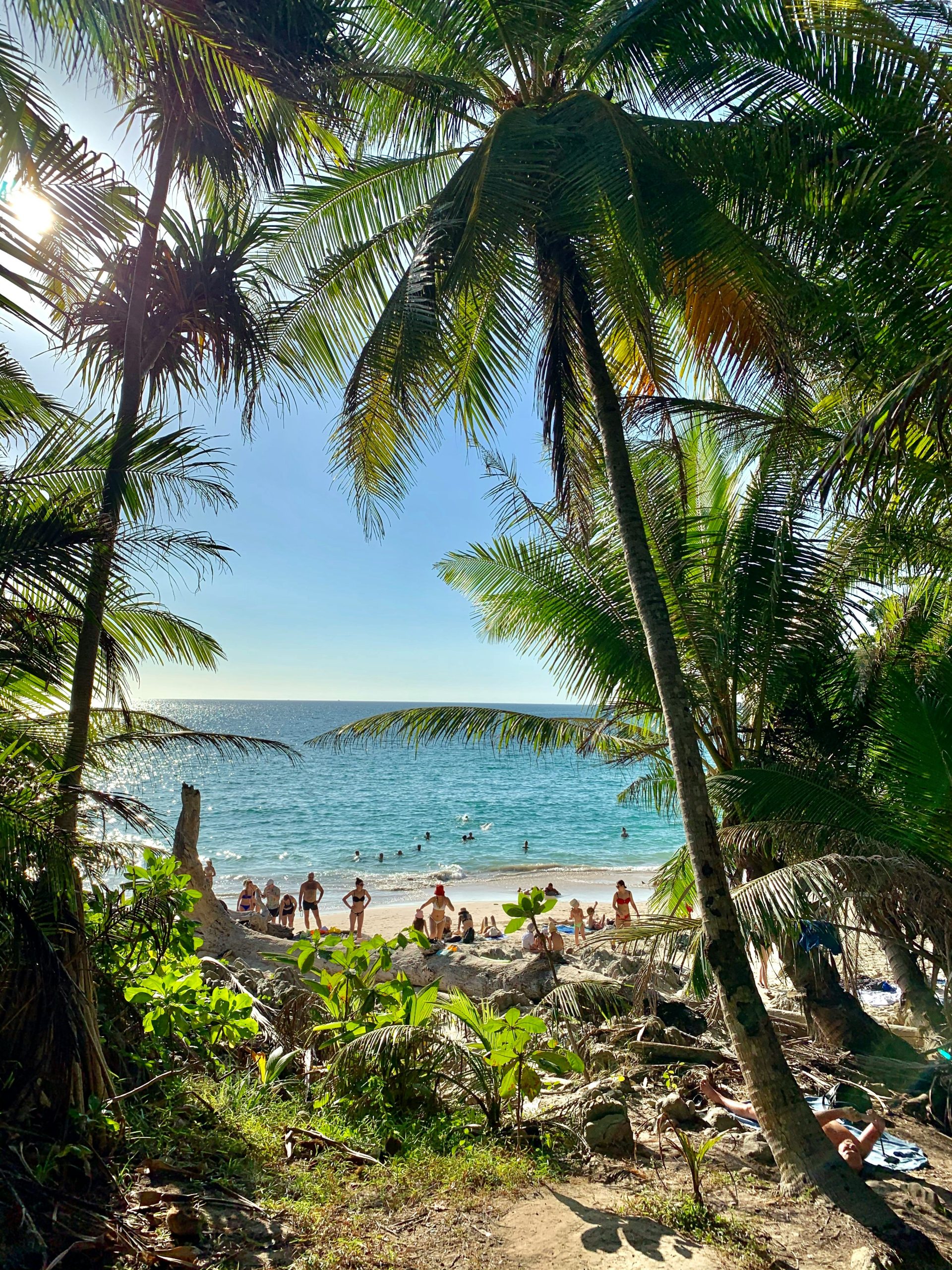
March weather comparison table showing Phuket versus Northern Europe temperatures and sunshine hours
March weather reality
March sits at the peak of Phuket’s dry season, balancing February’s comfort with increasing warmth before April’s heat spike. Daily averages reach 31.7°C, with highs touching 34°C and nights cooling to a comfortable 23–26°C. Rainfall remains minimal at 40–74mm across the month, typically confined to 6–8 brief afternoon showers that rarely disrupt outdoor plans. Humidity hovers at 71–75%, manageable compared to May’s sticky 82% monsoon conditions.
For residents escaping northern hemisphere winters (0–5°C highs, 4-hour daylight), March represents a 30-degree temperature swing with extended sunshine. The heat remains tolerable through mid-morning, with comfortable outdoor activities between 7am and 11am, unlike April’s all-day intensity that forces indoor retreats. Sea conditions stay calm with excellent swimming, water temperature at bath-like 29–30°C, and mild 8–9 kph winds from the northeast.
| Weather Factor | March Phuket | Northern Europe (March) | The Difference |
|---|---|---|---|
| Average Temperature | 31.7°C | 0–5°C | +30°C advantage |
| Daily Sunshine | 8–9 hours | 4–6 hours | +3-5 hours outdoor life |
| Sea Temperature | 29–30°C (Perfect) | 2–8°C (Freezing) | Beach vs indoor heating |
| Rainfall | 40–74mm (Dry) | Rain/Snow/Sleet | Minimal disruption |
| Humidity | 71–75% | 60–70% (Cold damp) | Warm tropical comfort |
Early-to-mid March (1–20) delivers the driest, most stable weather. Late March (21–31) sees occasional brief showers signalling the approaching shoulder season, but conditions remain excellent for beach life, diving, and outdoor exploration.
Shoulder season crowd reality
March crowds follow predictable weekly decline: substantial through mid-month, noticeably thinner by week three, approaching manageable shoulder-season levels week four. Beach crowding rates 8 out of 10 during the first fortnight, with restaurant reservations requiring 1–2 weeks’ advance notice at popular spots like Suay Restaurant and Dibuk. By week three (15–21 March), the decline becomes visible: crowding drops to 6–7 out of 10, walk-in dining grows viable at most venues, and beach parking at Nai Harn and Kata eases considerably.
Week four (22–31 March) marks full shoulder transition. Crowding falls to 4–6 out of 10, reservations become unnecessary except weekends. Tourism data shows March arrival patterns consistently decline through the month as visitors shift bookings toward April’s Songkran festival period.
Why the dramatic shift? Post-Chinese New Year lull continues, European Easter (18–21 April) doesn’t impact March arrivals, and April Songkran (13–15 April) draws tourists away from late March, leaving the period quieter than typical high season months.
| Zone | Early March Crowds | Late March Crowds | Resident Strategy |
|---|---|---|---|
| Patong | 9/10 | 6/10 | Manageable by week 3; Nanai Road avoids beachfront chaos |
| Kamala | 6/10 | 4/10 | Consistently calmer; Rim Had Road restaurants accessible |
| Kata/Karon | 8/10 | 5/10 | Noticeable improvement late month; parking eases |
| Rawai/Nai Harn | 7/10 | 4/10 | Early mornings (7-9am) still golden; Viset Road clears |
| Bang Tao | 7/10 | 5/10 | Boat Avenue mornings; Layan stays quiet |
March cost reality
March pricing splits into two distinct periods: high-season premiums continue through week two, whilst weeks three and four see measurable drops as operators transition toward shoulder rates. Studio flats in Patong command ฿20,000–28,000 monthly early March, dropping 10% by the 20th as tour operators release block bookings. Kamala, 5 kilometres north, offers better value throughout at ฿15,000–22,000 for studios and ฿20,000–30,000 for one-bedroom flats.
| Cost Item | Early March (1-15) | Late March (20-31) | Change |
|---|---|---|---|
| Studio Flat (Patong) | ฿20k–28k | ฿18k–25k | -10–15% |
| Studio Flat (Kamala) | ฿15k–22k | ฿13k–20k | -10–15% |
| Street Food Meal | ฿60–100 | ฿60–100 | Unchanged |
| Local Thai Restaurant | ฿120–180 | ฿120–180 | Unchanged |
| Western Restaurant | ฿400–800 | ฿350–700 | -10% late month |
| Scooter Rental (Monthly) | ฿3,500–4,500 | ฿3,000–4,000 | -15% |
Food costs remain stable across zones. Street food and local Thai restaurants operate at unchanged year-round pricing (฿60–150 for quality meals), whilst Western restaurants maintain high-season premiums through mid-month. Smart residents eat at soi kitchens: Nanai Road in Patong (behind the beachfront tourist strip), Kamala village streets near the market, and Rawai’s Viset Road inland spots deliver authentic ฿100–150 dishes without tourist markup.
The strategic timing window opens 20 March onwards. Accommodation drops 10–15% as operators clear inventory before April, whilst Easter (18–21 April) won’t push prices back up until mid-April. Monthly budgets for single residents in Kamala with local dining focus run ฿28,000–38,000, whilst couples mixing street food with occasional Western meals require ฿48,000–65,000. Patong adds ฿10,000–15,000 monthly for equivalent lifestyle due to location premium.
Detailed monthly cost baselines appear in our Cost of Living Rawai: Monthly Budget Guide.
Best beaches and activities
March conditions favour all outdoor activities. Dry weather, calm seas, and manageable heat (before April’s 35°C spike) make this optimal for water sports, diving, and land-based adventures.
Beach strategy
Patong Beach’s 4-kilometre stretch remains swimmable despite crowds, with abundant water sports: jet ski rental at ฿1,500 for 30 minutes, parasailing at ฿1,800. Operators cluster at beach access points near Bangla Road. Morning sessions (7am–10am) avoid both heat and congestion.
Kamala Beach offers gentler family-friendly conditions with softer waves and calmer atmosphere throughout March. HQ Beach Club maintains ฿500 minimum spend for sunbed access, reasonable compared to Patong’s ฿800–1,200 requirements.
Nai Harn Beach consistently rates as the island’s most relaxed beach even during peak season. The beach’s southern location and limited nearby hotel development keep crowds manageable compared to Patong or Kata, with free parking available at the northern end before 9am.
Ao Sane (rocky bay 10 minutes south of Nai Harn) offers excellent snorkelling with minimal crowds. The challenging access (steep stairs, limited facilities) deters tour groups. Paradise Beach and Freedom Beach near Patong require longtail boat access (฿300–500 return), naturally limiting crowds.
Diving excellence
Visibility reaches 10–30 metres, water temperature hovers at comfortable 26–29°C, and all liveaboard operators run smooth schedules. Racha Yai (45 minutes south) suits beginners with shallow bays; Phi Phi (90 minutes east) offers dramatic walls; Similan Islands (3 hours north) deliver Thailand’s premier diving with manta ray sightings. Day trips cost ฿3,500–4,500 including equipment, lunch, and two dives. Book via All4Diving or Andy’s Scuba Diving Tuesday–Wednesday for Friday-to-Sunday departures.
Land Activities
Khao Phra Thaeo National Park hiking suits early starts (7am–11am) before heat intensifies. Tiger Muay Thai near Chalong and Rawai Muay Thai gyms offer drop-in sessions (฿500) or weekly packages (฿2,000–5,000). Titan Fitness Phuket in Bang Tao and Unit 27 Rawai provide co-working-gym hybrid spaces popular with digital nomads.
March events and culture
March lacks major tourism-centric events, offering residents cultural immersion without infrastructure chaos. Makha Bucha Day on 3 March marks Buddhist observance with temple ceremonies and some business closures 3–4 March, though most operations continue normally. Wat Chalong and Jui Tui Shrine host evening candlelit processions without tourist crowds.
Phuket Heroines Monument Festival runs 13–15 March at Victory Field in Thalang district (northern Phuket), commemorating the 1785 defence against Burmese invasion by sisters Thao Thep Krasattri and Thao Sri Soonthorn. Local parades feature traditional dress and cultural performances, representing authentic Thai cultural celebration rather than tourist-oriented spectacle. The festival attracts primarily local Thai attendees with minimal international tourist presence, making it ideal for residents seeking genuine cultural engagement.
Easter (18–21 April) and Songkran (13–15 April) both land in April, not March. March escapes the event-driven crowds and business closures that complicate January (Chinese New Year) and April (Songkran) living.
Neighbourhood focus: Patong vs Kamala
March highlights the contrast between Patong’s accessible intensity and Kamala’s emerging value positioning.
Patong dominates as west coast’s commercial centre: 4-kilometre beach, nightlife epicentre with Bangla Road bars operating 10pm–4am, and full services year-round. March brings noticeable crowd decline from 9 out of 10 chaos in January to 6–7 out of 10 by late month, making previously overwhelming zones manageable. Jungceylon mall maintains fully stocked Tops supermarket with Western imports and SF Cinema showing English-language films.
Nanai Road, running parallel to beach 800 metres inland, hosts local Thai restaurants at ฿100–150 with unchanged pricing: Krua Thai, Mama Noi’s, and various unnamed shophouse kitchens serve residents year-round. Studios run ฿20,000–28,000 monthly, one-bedroom flats ฿28,000–40,000, with 10–15% drops late March. Patong sits 40 kilometres from airport (1 hour) and 10 kilometres from Phuket Town.
Kamala positions as family-friendly alternative 5 kilometres north. Its 2-kilometre bay maintains village atmosphere with growing expat families and digital nomad community. Shoulder pricing kicks in earlier (week three vs Patong’s week four), crowd levels measure 6–7 out of 10 early month dropping to 4–5 out of 10 late month.
Rim Had Road hosts mixed local-international restaurants at ฿250–400: Café del Mar, Lucky 13, and Silk Restaurant & Bar offer better value than Patong equivalents. Kamala Market (Tuesday/Friday evenings) operates with local produce at authentic pricing. Accommodation runs ฿15,000–22,000 for studios, ฿20,000–30,000 for one-bedroom flats, 15–20% below Patong rates. Parking proves abundant with ample free street spaces versus Patong’s ฿100–200 daily paid lots.
Our detailed breakdown of Rawai and Bang Tao neighbourhood characteristics appears in Rawai vs Bang Tao: Cost & Lifestyle Comparison.
The verdict: is March worth it?
March Phuket shoulder season presents ideal positioning for value-focused long-stay residents. Weather remains at dry-season peak (31°C, 8 sunshine hours, minimal rain) identical to January-February, yet crowds thin measurably from week three onwards and accommodation pricing drops 10–15% by late month. The 30°C+ temperature advantage over northern hemisphere March (still experiencing 0–5°C and short daylight) delivers outdoor lifestyle impossible in Europe whilst avoiding January’s logistical chaos.
Resident adaptation determines March success. Those who thrive understand the weekly transition: early March maintains high-season pricing and crowds (8 out of 10), mid-March shows visible decline (6–7 out of 10), and late March delivers genuine shoulder-season calm (4–6 out of 10) with maintained weather quality. Strategic arrivals targeting 20–25 March capture dual benefits: declining crowds and emerging price drops create the month’s optimal value window.
March suits residents prioritising weather quality over rock-bottom pricing, seeking beach life without January’s chaos, and positioning for April without Songkran premium costs. Flexible schedules benefit most: beach visits 7am–10am secure tranquillity, late-month accommodation bookings yield savings, and the balance between comfort and value reaches year’s best ratio.
Success concentrates amongst specific groups. Digital nomads with flexible schedules exploit early-morning beach windows and late-month value rates. Couples escaping European winter for 4-6 weeks find March ideal for budget management without sacrificing weather. Divers prioritise March’s peak dry-season conditions (10–30m visibility, 29°C water) over low-season discounts.
Struggles emerge for rigid-schedule residents. European office hours (9am–5pm meetings) miss optimal beach times entirely. Budget-first travellers waiting for low-season rates (May onwards) sacrifice perfect weather for marginal savings. Those expecting January’s energy level find March calmer, though many residents consider this an advantage rather than drawback.
Embracing Shoulder Season Advantage
March Phuket shoulder season rewards strategic residents who understand transition timing rather than treating the month as homogenous 31 days. Visit beaches 7am–10am when water clarity peaks and sand stays empty, even during early-month higher crowds. Book late-month accommodation (from 20 March onwards) when prices drop 10–15% as operators clear inventory before April. Explore Kamala over Patong for measurable crowd advantages (4–5 out of 10 vs 6–7 out of 10 late month) and consistent ฿10,000–15,000 monthly savings. The 30°C+ temperature advantage over northern hemisphere winters justifies navigating early-month crowds, whilst late-month shoulder pricing delivers value impossible in peak season. March delivers weather perfection with emerging calm. Resident success depends on timing arrival toward month’s end and embracing Phuket’s seasonal rhythm shifts rather than expecting uniform conditions throughout.