April brings two certainties to Phuket: Songkran water festival (13-15 April, extended locally to 12-16) and the year’s peak heat. Temperatures climb to 35°C with 80% humidity whilst the island transforms into Thailand’s largest New Year celebration. Phuket Town preserves temple rituals and heritage parades along Sino-Portuguese streets. Patong explodes into tourist water battles and foam parties lasting past midnight. The heat arrives early, settles in, and stays. Midday outdoor activity becomes genuinely unsafe as UV index hits extreme levels. Residents adapt daily routines: beaches before 11am, air-conditioned refuges through afternoon, pools after 5pm.

Songkran water festival Phuket Town Thalang Road cultural celebration with heritage parade
April’s positioning proves complex. Early month (1-12) holds high-season pricing and crowds rating 7-8 out of 10. Songkran week spikes to 9-10 out of 10 as domestic Thai families arrive. Late month (16-30) clears rapidly, prices dropping 10-15% toward May’s low season. Smart residents either embrace the cultural depth strategically or leave entirely, avoiding the road accident peak that claimed 480 lives nationally during 2024 Songkran week.
April weather reality
April sits at Phuket’s pre-monsoon peak. The hottest month arrives with 33-35°C most days, nights offering little relief at 26°C, and 15-20 days climbing above 34°C. Humidity rises to 75-80%. The heat index makes thermometers irrelevant: it feels hotter, constantly. UV index reaches 11+ (extreme rating). Sunshine holds strong at 8-9 hours daily, though late-afternoon storm patterns begin signaling monsoon transition.
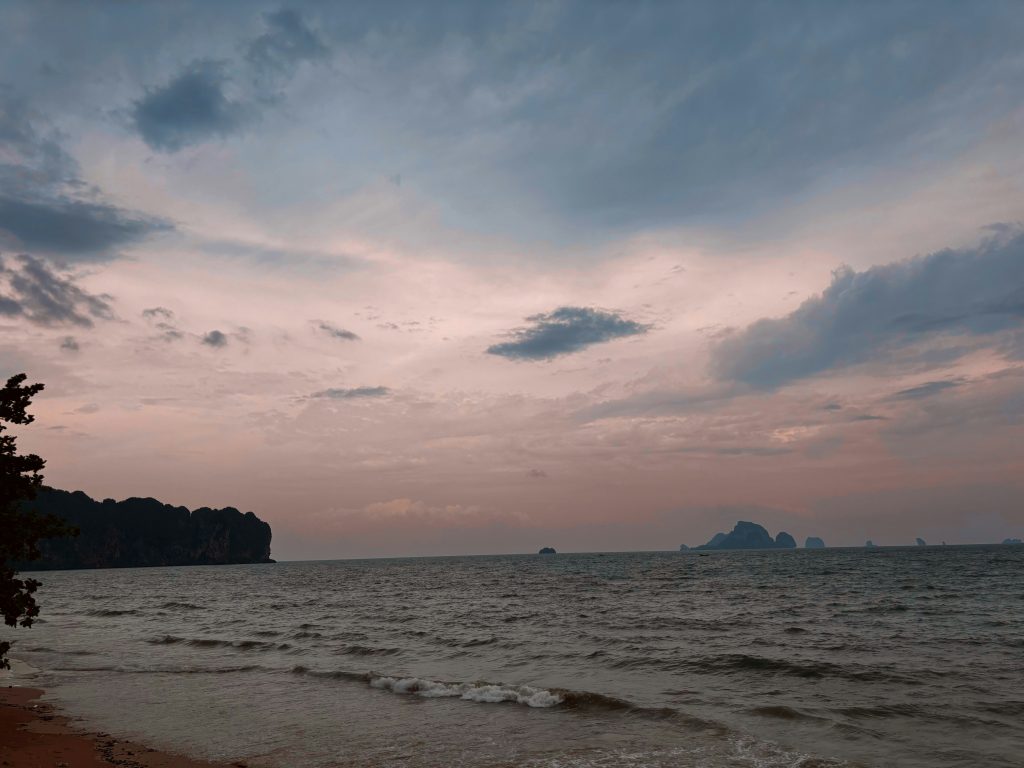
Rainfall totals 140mm across 10-11 days, typically brief scattered showers that clear quickly. Sea conditions stay excellent. Water temperature reaches bath-like 30°C, calm conditions prevail, diving visibility stretches 10-30 metres. The Andaman delivers.
For Nordic winter escapees, April represents peak warmth advantage. Helsinki averages 7°C with sea ice still present. Stockholm manages 8°C and damp conditions. The temperature delta reaches 27°C: outdoor beach lifestyle versus indoor heating. Sunshine hours favour Phuket by 3 hours daily. The psychological warmth benefit justifies heat management challenges for those escaping northern spring.
| Weather factor | April Phuket | Northern Europe (April) | The difference |
|---|---|---|---|
| Average temperature | 33-35°C | 7-8°C | +27°C advantage |
| Daily sunshine | 8-9 hours | 5-6 hours | +3 hours outdoor life |
| Sea temperature | 30°C (Perfect) | 0-2°C (Ice) | Beach vs indoor heating |
| Rainfall | 140mm (Scattered) | Rain/sleet | Brief disruption |
| Humidity | 75-80% | 60-70% | Warm tropical comfort |
| UV index | 11+ (Extreme) | 3 (Moderate) | Serious protection required |
Early to mid-April delivers stable heat before monsoon transition. Late April sees scattered afternoon showers signaling May’s arrival, but conditions remain excellent for beach life and outdoor activities.
Songkran crowd reality
April crowds follow Songkran’s rhythm. Early month maintains high-season feel: beach crowding rates 7-8 out of 10, restaurant reservations recommended at quality spots. Then the festival arrives. Songkran week (13-15) spikes crowds to 9-10 out of 10 as domestic Thai tourists flood the island for family holiday. Patong Beach and Bangla Road hit maximum capacity. Constant water soaking, aggressive battles, evening chaos. Phuket Town’s heritage zone maintains 7-8 out of 10 with more cultural focus and family participation. Dibuk Street’s alcohol-free celebration stays 6 out of 10, drawing elders and families seeking respectful engagement.
Late April (16-30) delivers rapid clear-out. Crowds drop to 6-7 out of 10. Walk-in dining returns. Beach parking eases. The island breathes differently. Restaurant bookings at spots like Suay Restaurant and Dibuk remain essential through mid-month. Traffic becomes severe on Thalang Road, Phang Nga Road, and Dibuk Road during festival days: genuine congestion, not tourist exaggeration.
The safety statistics demand attention. Thailand recorded 480 deaths during 2024 Songkran week: 69 daily versus 38 during typical periods. Motorcycles account for 82% of fatalities. Speeding (43%) and drunk driving (35%) lead causes. Peak danger concentrates 8pm-2am April 13-15 when drunk drivers flood roads. Resident strategy proves simple: avoid motorbikes entirely during Songkran, switch to Grab or taxi exclusively, never drive evening hours. Waterproof pouches become essential as phone drowning risk reaches extreme levels in Patong water fight zones.
| Zone | Crowd level | Water intensity | Safety considerations | Best for |
|---|---|---|---|---|
| Patong Beach/Bangla | 10/10 | Extreme soaking | Drunk drivers 8pm-2am | Party-seekers |
| Phuket Town/Thalang | 7-8/10 | Manageable | Traffic congestion | Cultural focus |
| Dibuk Street | 6/10 | Respectful | Alcohol-free, safe | Families, elders |
| Rawai/Nai Harn | 5-6/10 | Minimal | Quieter zones | Opt-out residents |
Never ride a motorbike April 13-15. The 82% motorcycle fatality rate during Songkran makes two-wheeler risk unacceptable for residents.
April cost reality
April pricing splits three ways. Early month (1-12) holds mid-season rates: studios ฿20,000-28,000 in Patong, ฿15,000-22,000 in Kamala. Then Songkran arrives. Festival week (13-15) adds 15-20% premium as domestic tourists arrive and accommodation blocks release at inflated rates. Hotels fill. Prices spike. The market responds. Late April (16-30) sees measurable drops of 10-15% toward May low season as crowds clear and operators adjust positioning.
Flight pricing follows similar pattern with premium fares April 10-18 during arrival and departure surge. Food costs hold steady. Street food runs ฿60-100, local Thai restaurants ฿120-180, Western spots ฿400-800. No festival markup at quality local places. Activities maintain steady rates: sea excursions $40-100, bike rentals $5-8 daily, taxi rides 10km costing $8-12.
Monthly budgets average ฿35,000-45,000 for singles with local dining focus, ฿60,000-80,000 for couples mixing street food with occasional Western meals. April remains 30-40% above May low-season rates. The value window opens 20 April onwards when accommodation drops 10-15% and post-Songkran calm settles. Detailed monthly cost baselines appear in our Cost of living Rawai: monthly budget guide 2026.
| Cost item | Early April (1-15) | Songkran week (13-15) | Late April (20-31) | Change |
|---|---|---|---|---|
| Studio flat (Patong) | ฿20k-28k | ฿23k-34k | ฿18k-25k | -15-20% late month |
| Studio flat (Kamala) | ฿15k-22k | ฿17k-26k | ฿13k-20k | -15-20% late month |
| Street food meal | ฿60-100 | ฿60-100 | ฿60-100 | Unchanged |
| Local Thai restaurant | ฿120-180 | ฿120-180 | ฿120-180 | Unchanged |
| Western restaurant | ฿400-800 | ฿400-800 | ฿400-800 | Unchanged |
Best beaches and activities
April heat demands timing discipline. Beaches work before 11am. Midday requires air-conditioned refuge. Evenings return to pools and outdoor spaces after 5pm. The combination of 35°C and 80% humidity creates genuinely unsafe conditions for prolonged midday exposure. Residents adapt or struggle. Morning beach sessions end by 10am when heat intensifies. Afternoons retreat to Jungceylon mall, Central Phuket, coworking spaces. The rhythm becomes automatic.
Beach strategy
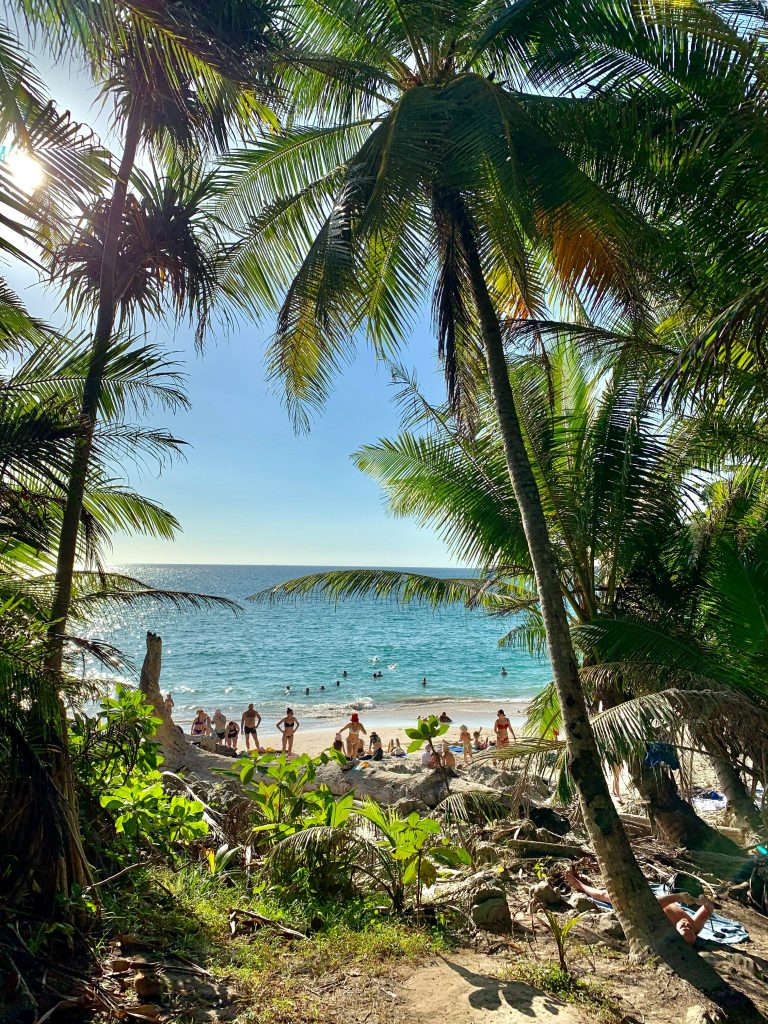
Patong’s 4-kilometre stretch offers water sports during morning hours. Jet ski rental ฿1,500 for 30 minutes, parasailing ฿1,800, operators clustering near Bangla Road access points. Sessions between 7am and 10am avoid both heat and Songkran water chaos. Kamala Beach delivers gentler conditions. Softer waves, calmer atmosphere, family-friendly throughout April. HQ Beach Club maintains ฿500 minimum spend for sunbed access: reasonable compared to Patong’s ฿800-1,200 requirements.
Nai Harn Beach stays the island’s most relaxed option. Southern location and limited hotel development keep crowds manageable. Free parking exists at northern end before 9am. Ao Sane, 10 minutes south, offers excellent snorkelling. Steep stairs and limited facilities deter tour groups naturally.
Heat management essentials
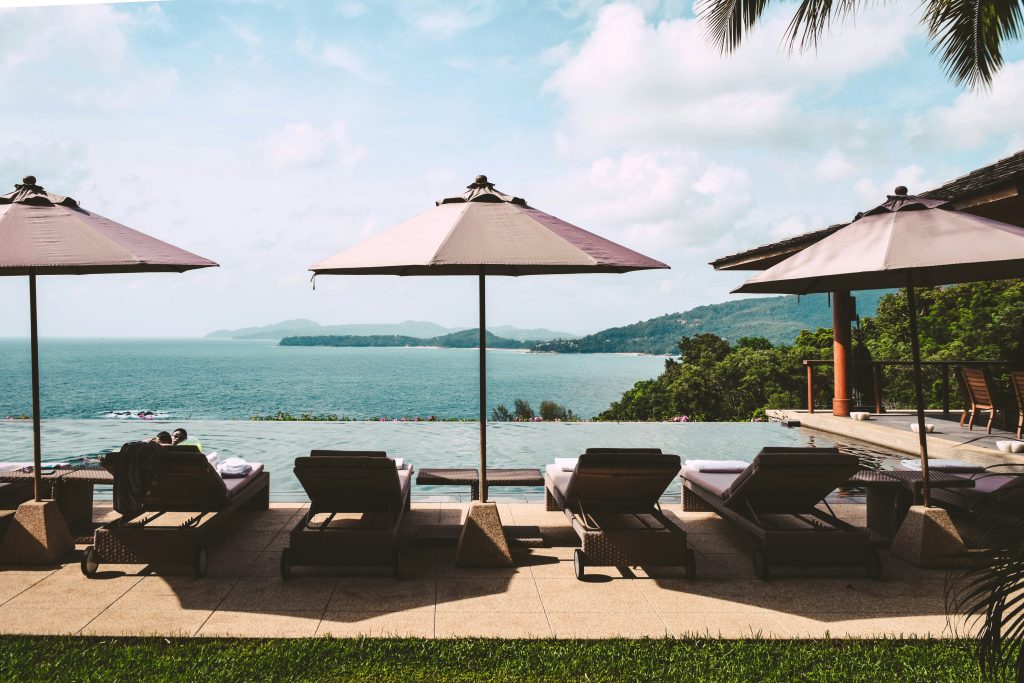
Cooling refuges become survival infrastructure. Jungceylon and Central Phuket maintain full air conditioning: supermarkets, restaurants, cinema providing midday escape. Coworking spaces like Andaspace and KoHub offer work environments with strong WiFi and reliable cooling. Hotel pool day passes provide swimming alternative when beach heat grows excessive. Hydration requirements reach 3-4 litres daily. Electrolyte drinks stock every 7-Eleven. The logistics matter.
Diving and activities
Diving conditions remain excellent. Visibility 10-30 metres, water 30°C, calm seas. Racha Yai suits beginners with shallow bays. Phi Phi offers dramatic walls. Similan Islands deliver Thailand’s premier diving with manta ray sightings. Day trips cost ฿3,500-4,500 including equipment, lunch, two dives. Book via All4Diving or Andy’s Scuba Diving Tuesday to Wednesday for Friday to Sunday departures.
Khao Phra Thaeo National Park hiking works early: 7am to 11am before heat intensifies. Tiger Muay Thai near Chalong and Rawai Muay Thai offer drop-in sessions (฿500) or weekly packages (฿2,000-5,000). Titan Fitness in Bang Tao and Unit 27 Rawai provide air-conditioned gym and coworking spaces popular with digital nomads managing April heat intelligently.
Songkran events and culture
Songkran 2026 runs 13-15 April nationally, extended in Phuket to 12-16 reflecting tourism city status. Banks and schools close. Government offices shut. The long weekend arrives and domestic travel begins. Daily rhythm follows predictable pattern: temples fill 6-10am, street water fights begin mid-morning and peak through afternoon, nightlife venues open after 5pm with party hours extending past midnight.
Phuket Town anchors cultural celebration where Thalang Road transforms. Sino-Portuguese shophouses open for parades, water buckets appear on doorsteps, families gather where tourists rarely venture. Wat Mongkol Nimit hosts early morning merit-making between 6am and 8am on 13 April where water gets blessed, Buddha images honoured, elders receiving respect from younger generations. By 9am, the streets begin. Heritage Wave parade proceeds along Thalang Road with traditional dress and cultural performances. Dibuk Street creates alcohol-free zone 15-16 April with families, elders, live music, and respectful water play rather than aggressive battles.
Patong delivers extreme contrast. Beach water battles 12-14 April feature music stages, water gun vendors, and constant soaking zones reaching maximum intensity. Bangla Road evening venues operate bars with water cannons, foam parties, and dancing under spray continuing past midnight. Water fights grow aggressive with high-pressure guns, buckets thrown from vehicles, and hoses creating unavoidable full-body soaking. Demographics skew young Thai tourists and international backpackers seeking party experience over cultural depth.
April escapes the event-driven crowds of January and focuses entirely on Thai cultural celebration. Phuket Town delivers authentic heritage experience. Patong delivers tourist spectacle.
Neighbourhood focus: Phuket Town vs Patong during Songkran
Phuket Town functions as cultural anchor where Thalang Road serves main artery, Dibuk Street offers alcohol-free zone, and temples like Wat Mongkol Nimit preserve traditional rituals. Heritage Wave parade on 13 April features traditional dress and performances with family-focused water play maintaining crowd levels of 7-8 out of 10, manageable compared to beach chaos. Dibuk Street’s celebration 15-16 April creates respectful atmosphere rated 6 out of 10 intensity for families and elders seeking authentic participation. Local restaurants operate ฿100-150 along side streets, mixed venues charging ฿250-400. Optimal timing concentrates 6-10am for temples or 10am-12pm for early water play before intensity peaks. Studio accommodation runs ฿18,000-24,000 monthly, 15-20% savings versus Patong. The neighbourhood sits 15 kilometres from airport.
Patong dominates as party epicentre where 4-kilometre beach and Bangla Road nightlife deliver water fight intensity of 10 out of 10 during 12-14 April. Beach battles feature foam parties and DJ events where avoiding water proves impossible. Demographics skew young tourists and backpackers accepting aggressive high-pressure guns and hoses. Studio accommodation commands ฿20,000-28,000 monthly with Songkran premium adding 15-20%. Safety considerations peak around Bangla Road between 8pm and 2am when drunk driving risk reaches annual high. Waterproof valuables protection becomes non-negotiable. The zone sits 40 kilometres from airport. Our Rawai vs Bang Tao: cost & lifestyle comparison provides detailed neighbourhood analysis.
| Factor | Phuket Town | Patong |
|---|---|---|
| Crowd level Songkran | 7-8/10 | 10/10 |
| Water intensity | Moderate | Extreme soaking |
| Cultural vs party | Heritage focus | Tourist spectacle |
| Accommodation | ฿18k-24k studios | ฿20k-28k studios |
| Safety evening | Lower risk | High 8pm-2am |
| Best for | Cultural depth | Party intensity |